AGP Executive Report
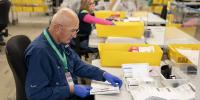
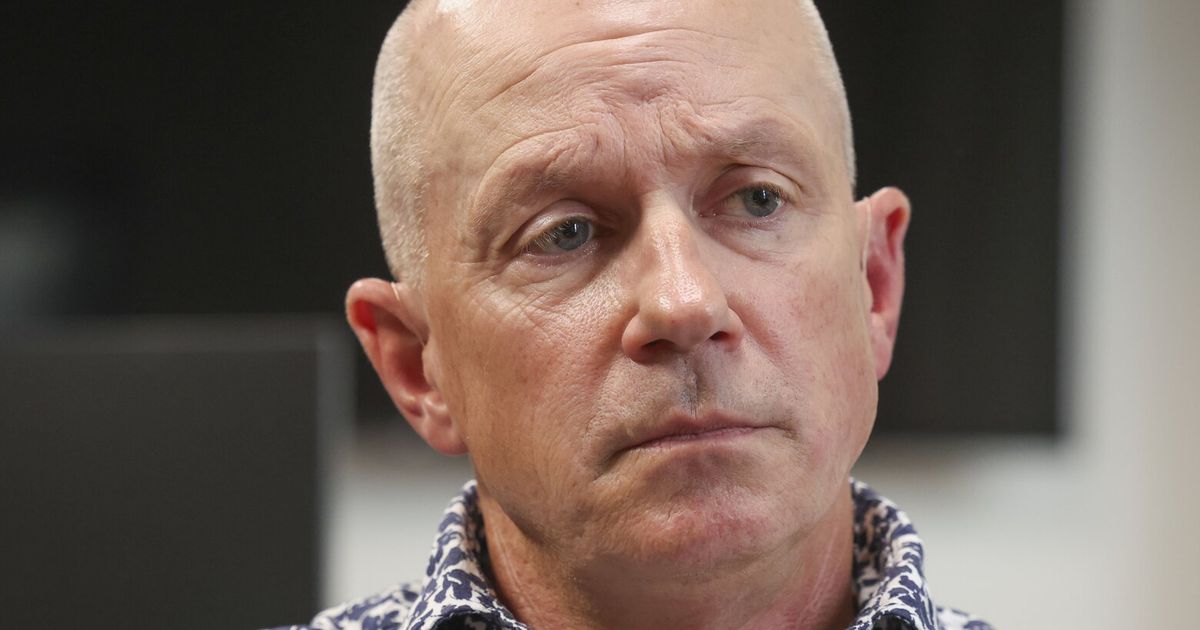
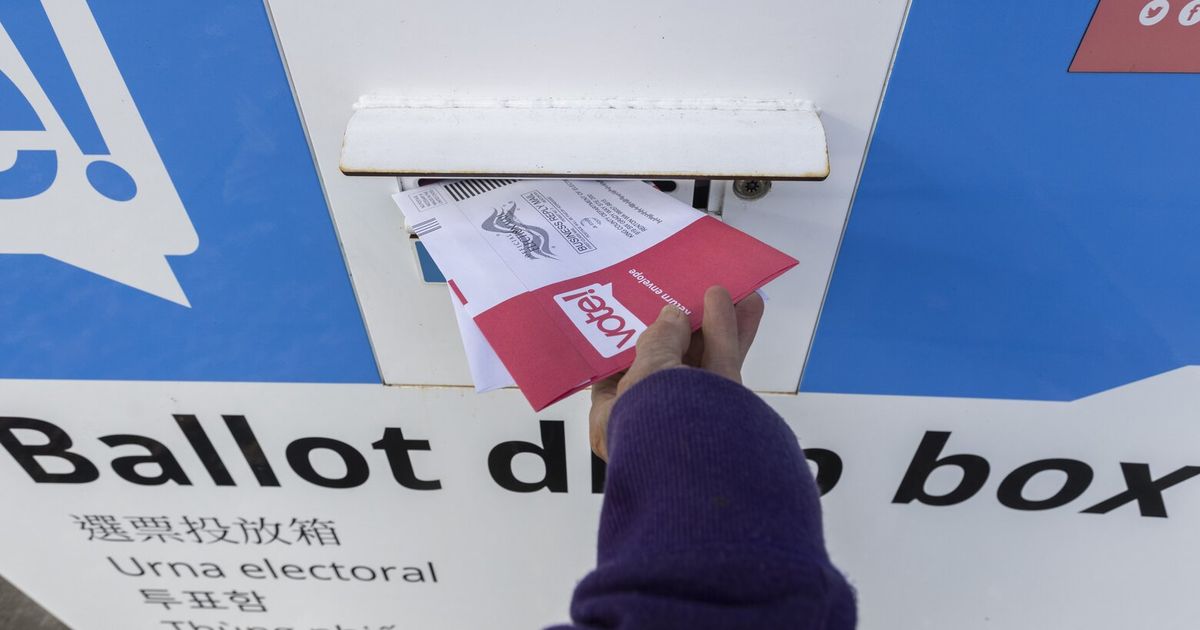
Last update: 8 hours agoElection Dispute: Federal prosecutors say 405 noncitizens cast more than 1,500 ballots and want Washington to set aside ballots from those voters pending verification. Secretary of State Steve Hobbs disputes the claims, says some records are decades old and warns the request risks undermining trust; prosecutors have filed no charges. Ballot Security: Nearly 100 undelivered ballots were found in a Seattle park dumpster as Election Day nears. Campaign Finance: Washington’s Public Disclosure Commission suspended enforcement of late-campaign contribution caps, drawing criticism from both parties just days before the election. Local Government: Seattle councilmembers are weighing more than $45 million in budget additions despite ongoing deficits. King County’s homelessness authority faces a $16.7 million shortfall, with leaders divided over whether to repair or dissolve it. On the Ballot: Southwest Washington’s closely watched race pits Democratic Rep. Marie Gluesenkamp Perez against Republican state Sen. John Braun. Voters will also decide Initiative 001, which would expand parents’ access to school records and curriculum and allow opt-outs from some activities.
Note: AI summary from news headlines; neutral sources weighted more to help reduce bias in the result. Feedback is welcome. Please let us know if you have any comments or suggestions about the AGP Executive Report.


 Perspectify News